Firearm Comparison Sites: A Buyer’s Tool
You’re looking at a Glock 19 Gen 5 and a Sig Sauer P320 XCompact. Both are 9mm, striker-fired, and similarly priced. The real question isn’t which is “better,” but which is better for you. That’s where a good firearm comparison website becomes more than a convenience—it’s an essential step in making an informed purchase, especially before you visit a shop like Firearms Alabama to handle them in person.
Beyond Spec Sheets: The Real Value of Side-by-Side Data
A proper comparison tool does more than list barrel lengths. It lets you pit critical dimensions against each other. For instance, that Glock 19 has a height of 5.04 inches, while the P320 XCompact sits at 5.3 inches. That 0.26-inch difference can be the deciding factor for concealment. Weight is another: unloaded, the Glock is 24.83 oz, the Sig is 25.2 oz. These sites should let you filter by action type, caliber, capacity, and frame material, turning a broad search into a shortlist of viable candidates. This research saves you time at the counter, allowing you to focus on the feel of two or three finalists instead of a dozen maybes.
User Reviews vs. Professional Evaluations: Knowing the Difference
Aggregated user reviews on these platforms can reveal long-term reliability trends you won’t find in a manufacturer’s brochure. Seeing 50+ owners mention a specific holster wear pattern on a slide is valuable data. However, you must weigh this against professional, structured evaluations that test accuracy with a ransom rest, measure trigger pull consistency over 500 rounds, and document failure rates under controlled conditions. A good comparison site curates both. For example, you might read a professional critique of the M&P Shield Plus’s stock trigger, then see user comments confirming it smooths out after the first 200 rounds—context that changes the buying decision.

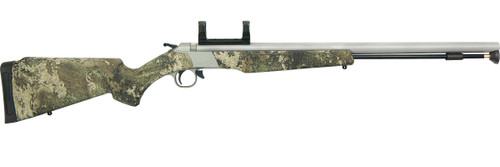
Direct comparisons highlight key differences in slide design, controls, and overall footprint.
The Critical Details Comparison Sites Often Miss
Many sites stop at basic specs, but the devil is in the details. Does the comparison list the type of sights? The Glock 19 Gen 5 has polymer sights, while the P320 XCompact comes with X-Ray3 Day/Night sights—a significant value and performance difference. What about the trigger pull weight? A listed 5.5 lbs can feel vastly different between a rolling break and a crisp wall. The best resources will note the grip texture aggressiveness, the availability of aftermarket support, and the included accessories. Is it one magazine or two? These are tangible cost factors. This is why we at Firearms Alabama encourage customers to use online tools for research, then handle the firearms to judge these nuanced aspects firsthand.
Using Comparisons to Identify Your True Needs
A side-by-side layout forces you to prioritize. If you’re comparing the Springfield Hellcat Pro and the Sig Sauer P365 XL, you’re looking at two of the best high-capacity micro-compacts. The Hellcat Pro holds 15+1, the P365 XL holds 12+1 with a flush mag. The difference in width is 1 inch vs. 1.1 inches. A comparison site helps you ask: Is that extra 3 rounds worth a slightly thicker profile for my carry method? This analytical process moves you away from brand loyalty and toward feature-based decision making, ensuring the firearm you select, whether from our online inventory or in-store, aligns with your specific use case.

Once your comparison is complete, view real-world options. Browse our handgun selection here.
From Digital Research to Physical Purchase
Your online comparison should culminate in a physical inspection. A website can tell you the Ruger 10/22 Takedown weighs 4.4 lbs, but it can’t convey the solid lock-up of the barrel or the balance in your hands. Use comparison sites to narrow your field to two or three finalists. Then, visit a reputable dealer. Handle each one. Work the action. Check the sight picture. Feel the ergonomics. The final choice often becomes obvious once you have them on the counter. This hybrid approach—digital research followed by hands-on evaluation—is the most effective way to spend your money wisely.
Are user ratings on comparison websites reliable?
They are a useful data point, but not gospel. Look for patterns across many reviews. Ten people mentioning light primer strikes on a specific revolver model is a trend. One person complaining about “unreliability” with reloads is not. Cross-reference user comments with professional stress tests for a balanced view.
How important is comparing exact dimensions?
It’s critical, especially for carry guns. A difference of 0.2 inches in width or 0.3 inches in height can drastically affect concealability and comfort. Always compare the “height” measurement (which includes the magazine) and the “width” at the grip’s widest point, as these specs are not standardized.
Should I trust the “accuracy” claims on spec sheets?
No. Manufacturer accuracy claims are typically made under ideal conditions. Look for comparison sites that reference independent accuracy tests from trusted publications, which use machine rests and multiple ammunition types. A real-world 2-inch group at 25 yards is far more informative than a theoretical “1-inch guarantee.”
Ready to evaluate your top choices in person? Browse our firearms collection to see what’s available, then visit our store for the final, hands-on comparison.
Last updated: March 27, 2026